

Introduction
Local SEO for law firms is a high-impact, low-cost way to outshine competitors and become the go-to firm in your area.
It ensures you’re visible when and where clients are searching.
Local SEO has become one of the most reliable client acquisition channels for modern law firms. Firms that systematically optimize their local presence often capture high-intent prospects at the exact moment legal help is needed. The sections below break down the core components that influence local visibility and how attorneys can strengthen each one.
In this guide, I’ll show you the proven local SEO strategies we’ve used to deliver measurable growth for our clients. But first, let’s clarify what local SEO actually is and how Google decides which law firms to show in local results.
What Is Local SEO and Why It Matters for Lawyers?
Local SEO is the process of optimizing your law firm’s online presence to appear in local search results, especially when potential clients are actively looking for legal help in their area.
When someone searches for legal services, your firm can show up in multiple places:
- ✔ Google’s Local Pack
Appears at the top of local search results with three map listings - ✔ Google Maps
Shows your location, directions, hours, and client reviews - ✔ Local Service Ads
Google Screened ads that appear at the top of results pages - ✔ Organic Search Results
Your law firm’s website appearing below paid and local listings
The more spots you occupy, the more likely someone is to click.
For example, if someone types “best family lawyer in Austin,” Google ranks law firms based on relevance, proximity, and credibility. Without a strong local SEO strategy, your firm could easily get outranked by competitors who’ve optimized their presence.
Why is Local SEO Important for Lawyers?
- High-intent searchers are often ready to call a lawyer
- Top local rankings earn the majority of clicks and conversions
- Local SEO efforts create sustainable visibility without paying per lead
Most legal consumers want someone nearby, licensed, and trusted. That’s why Google prioritizes local results, even if the search doesn’t include a location or “near me.”
If you’re a solo attorney or part of a small firm, showing up in the right local searches gives you a serious edge. You don’t need to outspend national firms. You just need to be visible when it counts.
How Google Ranks Law Firms for Local SEO

Emerging Local SEO Signals Law Firms Must Watch in 2026
While relevance, distance, and prominence remain the foundation of local rankings, Google’s evaluation of law firms has become more sophisticated. Modern local SEO performance is increasingly influenced by behavioral and engagement signals.
Key emerging factors include:
Google Business Profile engagement
Firms that consistently receive calls, direction requests, photo views, and review interactions from their GBP often demonstrate stronger local visibility over time.
Entity authority and brand mentions
Google is placing greater weight on how often a law firm is referenced across the web, even without links. Consistent brand mentions across legal directories, news sites, and trusted platforms reinforce credibility.
User behavior signals
Click-through rates, time on site, and repeat visits help Google evaluate whether searchers find your firm helpful after clicking.
AI-driven search features
With the continued expansion of AI Overviews in search results, law firms with structured, clearly organized content are more likely to be cited or summarized in AI-generated answers.
Law firms that optimize for these modern signals alongside traditional local SEO fundamentals are better positioned to maintain strong visibility through 2026 and beyond. For actionable local SEO quick wins for 2026, see our updated tactics guide.
When someone searches for legal help, Google decides which law firms appear based on three key factors. Understanding these is crucial if you want to outrank local competitors:
1. Relevance
How closely your firm matches the search. If someone types “personal injury lawyer,” Google won’t display estate planning firms—no matter how close or well-reviewed.
2. Distance
Google prioritizes firms that are physically closer to the searcher. Even if your firm has better reviews, it may be outranked if it’s farther away.
3. Prominence
This refers to how well-known and trusted your firm appears online, based on reviews, directory listings, and your overall digital footprint.
Why Consistent Business Info Matters
Google depends on accuracy. That’s why your firm’s Name, Address, and Phone number (NAP) must be identical across your website, legal directories, and your Google Business Profile.
Even small inconsistencies like using “Ave” in one place and “Avenue” in another can signal confusion to Google, and cost you rankings.
✅ Quick Tip: Create a master NAP file and make sure your entire team uses it when adding or updating listings.
This principle is confirmed in Google’s guidance on improving local ranking, where they explain how relevance, distance, and prominence influence search results.
Getting this right builds trust with Google and boosts your visibility across local search.
Learn more about how search engines view law firm websites.
Top 10 Local SEO Strategies for Lawyers
Local SEO helps your law firm get found by clients in your area when they search for legal services online.
The strategies below explain the key steps behind an effective local SEO campaign for law firms: from optimizing your Google Business Profile to building local authority through reviews, backlinks, and content. For a broader view of law firm SEO strategies, see our comprehensive overview.
Each one is designed to strengthen your visibility in Google’s Local Pack and Maps, improve credibility with potential clients, and create a steady flow of local leads.
1. Optimize Google Business Profile
Your Google Business Profile (GBP) plays a central role in local SEO for law firms. It determines how visible your firm is in Google’s Local Pack, Maps, and other local search results.
A complete and well-maintained profile helps clients find your reviews, services, and contact details at a glance. It also shows Google that your firm is active and credible—two signals that strongly influence ranking in local searches. Learn more about optimizing your Google Business Profile to maximize local visibility.
When we worked with a multi-office criminal defense firm, optimizing their Google Business Profiles across four offices helped them appear in the top 3 results for all target cities. Within eight months, these improvements generated more than 870 qualified leads from local searches.
Use the checklist below to do the same for your firm:
- ✅ Claim and verify your GBP through Google’s mail or phone process.
- ✅ Keep NAP details consistent (Name, Address, Phone) across your website, directories, and listings.
- ✅ Select the right categories: one clear primary (e.g., Criminal Defense Attorney) and relevant secondary ones.
- ✅ Write a concise business description (under 750 characters) using clear, location-based language that reflects your services.
- ✅ Add high-quality photos of your office, attorneys, and team. Photos drive more clicks and engagement.
- ✅ Post regular updates about case results, community work, or firm news using Google Posts.
Pro Tip: Treat your GBP as a living part of your marketing strategy. Regular updates, new photos, and timely review responses show both Google and potential clients that your firm is responsive, reliable, and involved in the community. There are also advanced tactics to squeeze more leads out of your profile that most firms overlook.
Advanced GBP optimization tips for law firms
Beyond basic profile setup, leading law firms actively manage their Google Business Profiles as ongoing marketing assets. High-performing firms typically:
-
Upload new photos monthly to maintain profile freshness
-
Post weekly updates highlighting case wins or firm news
-
Monitor and answer Q&A section questions proactively
-
Track call and direction metrics inside GBP Insights
-
Regularly audit categories and services as Google updates options
Firms that treat GBP as a static listing often plateau, while firms that actively manage engagement signals frequently see stronger Local Pack stability. When issues arise, it's also important to know how to repair a broken Google Business Profile before it hurts your rankings.
2. Create Location-Specific Pages
If your law firm serves multiple cities, a single “Locations” page won’t be enough to compete. Firms with multiple offices should also explore our guide on marketing a law firm with multiple offices. Google ranks law firms that build dedicated landing pages for each office or service area.
Each page gives Google clear location signals and helps clients in that area find you directly. For example, when someone searches “DUI lawyer in Lawrenceville” or “criminal defense attorney near Duluth.”
We saw this approach drive powerful results for one of our clients, Philip Kim Law; proving how localized page structure can dramatically improve visibility and revenue.
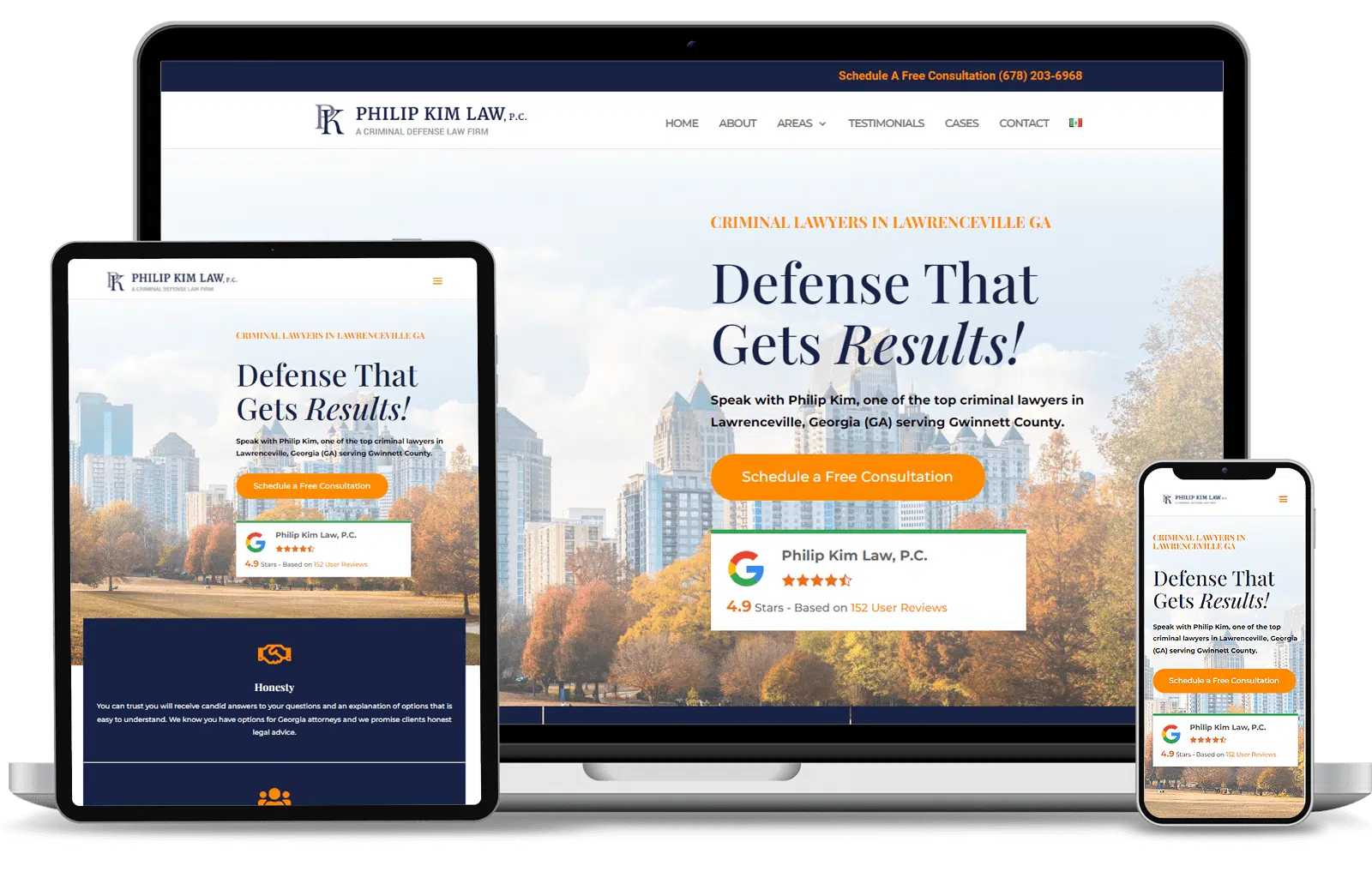
Here’s what an effective law firm local SEO setup looks like, so you can do the same for your practice:
Website URL Structure
The foundation of effective local pages starts with proper URL structure. Your site should have a clear hierarchy that is easy for both users and search engines to navigate. Creating a dedicated ‘locations’ directory with city-specific pages underneath helps Google recognize your service areas and improves your chances of ranking in local searches.
Example of a Proper URL Structure:
yourlawfirm.com/locations/phoenix
└── /scottsdale
└── /tempe
Each city or service area gets its own dedicated landing page.
Local Page Layout
Once your URL structure is in place, each local landing page should follow a structured format that provides clear location signals to search engines and relevant content for potential clients.
A well-optimized local landing page should include:
- A city-based title and H1 (e.g., Criminal Defense Lawyer in Lawrenceville, GA)
- Content specific to that area (courts, local laws, results)
- A Google Map embed and visible NAP (Name, Address, Phone)
- Local photos or recognizable landmarks
- Internal links to nearby cities and related practice pages
Meta Titles & Descriptions
Meta titles and descriptions play a crucial role in attracting clicks from Google searches.
A strong local meta title includes your service, location, and law firm name while staying within Google’s pixel width limits.
Example of a properly optimized search result:
Phoenix Personal Injury Lawyer | Your Law Firm
www.yourlawfirm.com/locations/phoenix
Need a personal injury lawyer in Phoenix? Our experienced attorneys specialize in accident claims, personal injury lawsuits, and wrongful death cases. Free consultation.
Having well-structured localized pages will increase your visibility in area-specific searches and help your law firm attract high-intent local clients who need a lawyer nearby.
3. Use Schema Markup to Strengthen Local SEO
Schema markup helps Google understand your website content and display it in enhanced search formats like rich snippets and FAQs.
For law firms, it supports local visibility, credibility, and click-through rates by presenting clear business details and reviews directly in search results.
Key schema elements for law firms:
-
LocalBusiness (LegalService): Defines your firm’s name, address, phone, and hours in structured data so Google can verify your location and show it in local search.
-
Review schema: Displays client ratings in your listing, improving trust and engagement.
-
FAQ schema: Highlights answers to client questions directly beneath your result.
Example: LocalBusiness Schema for a Law Firm
<script type="application/ld+json">
{
  "@context": "https://schema.org",
  "@type": "LegalService",
  "name": "Your Law Firm Name",
  "url": "https://yourlawfirm.com",
  "telephone": "+1-555-123-4567",
  "address": {
    "@type": "PostalAddress",
    "streetAddress": "123 Main St",
    "addressLocality": "Lawrenceville",
    "addressRegion": "GA",
    "postalCode": "30046",
    "addressCountry": "US"
  }
}
</script>
Technical note:
Adding schema correctly isn’t just about pasting code. It needs to match your website’s structure, location data, and Google Business Profile details.
Our team integrates schema into your site template, validates it with Google’s Rich Results Test, and monitors it for changes; ensuring consistency that strengthens your law firm’s local SEO.
4. Get Listed in Local Directories for Law Firms
Claiming and optimizing your law firm’s directory listings is a must for building trust and increasing visibility in local search results. These listings signal credibility to both Google and potential clients.
It’s not just about quantity, being listed in the right places matters.
A combination of general business directories and legal-specific platforms ensures you appear where your audience is actually searching. Want to know which platforms drive real results? Here’s our curated list of the best legal directories.
Legal Specific & General Business Directories to Boost Local SEO
| General Business Directories | Legal-Specific Directories |
|---|---|
| Yelp – Popular for local businesses & client reviews. | Avvo – Features attorney profiles, ratings, and reviews. |
| Better Business Bureau (BBB) – Adds credibility & trust to law firms. | FindLaw – High-authority legal directory with guides & lawyer listings. |
| Nextdoor – Connects law firms with local residents. | Justia – Comprehensive lawyer directory with legal resources. |
| Apple Maps – Ensures visibility in Apple & Siri searches. | Nolo – Helps users find attorneys by practice area. |
| Lawyers.com – A well-known legal directory for attorney searches. |
To maximize your impact:
-
Use 100% consistent Name, Address, and Phone (NAP) across every listing
-
Complete every profile as thoroughly as possible
-
Encourage satisfied clients to leave reviews
Even small NAP differences like “Ave.” vs. “Avenue” can confuse Google and lower your local rankings.
Done right, directory listings are one of the most cost-effective ways to boost local SEO and attract ready-to-hire clients.
5. Build Local Backlinks
Backlinks are a major ranking factor in SEO.
When reputable websites link to your firm, it signals that you’re trustworthy and authoritative, and that boosts your rankings.
But not all links are created equal.
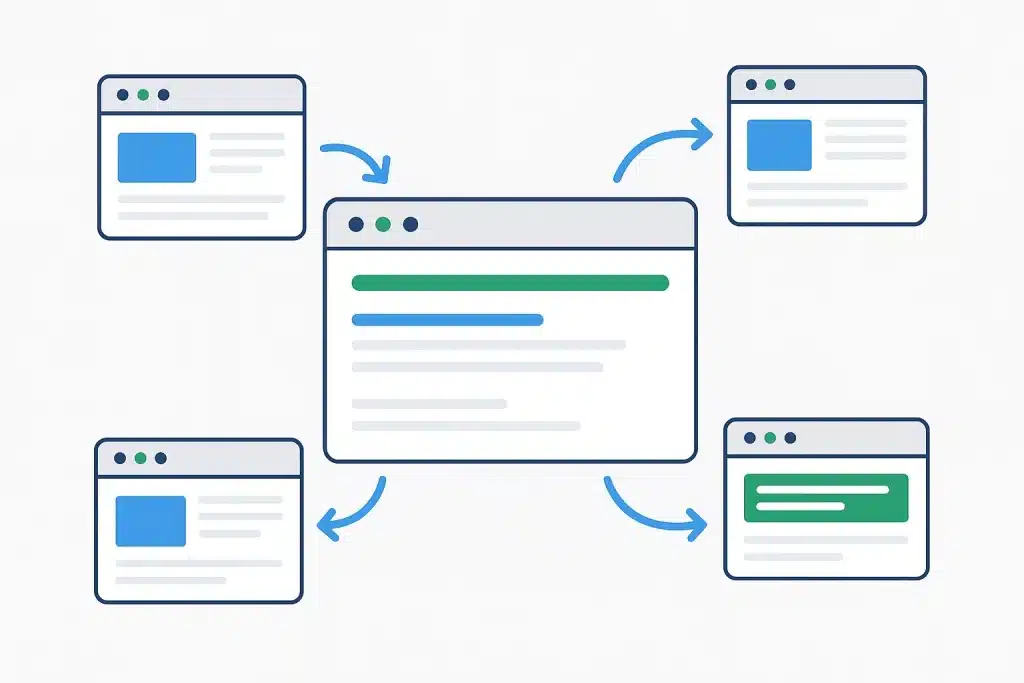
To win at local SEO, you need backlinks that are:
-
Relevant to your area
-
Credible and trustworthy
-
Earned organically through real relationships
Here’s where to get them:
Local News & Legal Blogs
Contribute guest posts or quotes to local publications. Sharing insights on legal trends or high-profile local cases can earn you editorial links — and build brand visibility.
Bar Associations & Legal Directories
Claim your profile on state and local bar association websites, and make sure your law firm appears in high-authority directories. Here’s our breakdown of the best legal directories for SEO »
Partnerships with Local Organizations
Collaborate with local nonprofits, universities, or business groups. Whether you host a workshop or co-author a resource, those relationships often lead to backlinks from reputable .edu and .org sites.
Event Sponsorships
Support a community event, legal clinic, or local fundraiser. Most organizers link to sponsors — and those event pages often get covered by the press, giving you bonus exposure.
Media Features & Interviews
Be the go-to expert for local journalists, radio shows, or legal podcasts. A single quote in a trusted publication can land you a valuable backlink and media authority.
Focus on quality, not quantity. A handful of local, trusted backlinks will do more for your SEO than dozens of random, low-authority links.
6. Manage and Respond to Reviews
Reviews are a key part of local SEO. They improve rankings, build trust, and influence client decisions.
Google Reviews matter most. They directly impact your Local Pack placement. But clients also check:
-
Legal directories like Avvo, Martindale-Hubbell, and Lawyers.com
-
Business platforms like Yelp, BBB, and Facebook
Getting reviews is important, but responding well matters just as much.
Here’s how to handle negative reviews:
| ❌ Don’t Do This | ✅ Do This Instead |
|---|---|
| Argue or deny the client’s experience | Stay calm and thank them for their feedback |
| Share case details publicly | Keep it general and respectful |
| Leave it unanswered | Invite them to continue the discussion privately |
Here’s what a well-managed review looks like:
“The team was incredibly responsive and knowledgeable. They guided me through a stressful situation with professionalism and empathy. Highly recommended!”
Thank you, Emily! We’re so glad we could help during a difficult time.
Strong reviews and thoughtful responses boost your visibility and turn searchers into clients.
7. Create High-Quality Local Content
Local content doesn’t just help with SEO, it also builds trust, authority, and a strong connection with potential clients in your area.
Instead of generic legal posts, focus on content that answers local questions, explains state-specific laws, and references nearby events or cases. Here’s what that can look like:
Example: “Texas Updates Personal Injury Law in 2025”
Example: “What to Do After a Car Accident in Dallas”
Example: “How Long Do I Have to File a Claim in Austin?”
Example: “How We Helped a Dallas Family Win a Custody Case”
8. Target Local Keywords
Optimizing for geo-specific search terms helps your firm rank when clients search for legal services online.
Instead of just targeting general keywords like “divorce lawyer,” focus on city-based keywords like “best divorce lawyer in Houston.”
Use long-tail keywords to capture high-intent searches. Instead of just “DUI attorney,” optimize for “DUI attorney in Austin for first-time offenders.”
These longer phrases attract clients searching for exactly what they need.
Your URLs, title tags, and headings should include location-based terms. For example:
✅ H1 Title: “Experienced Personal Injury Lawyer in San Diego”
✅ URL: www.yourlawfirm.com/personal-injury-lawyer-marketing/san-diego
✅ Meta Title: “San Diego Personal Injury Attorney | Free Consultation”
Local keyword targeting ensures your firm appears for the right searches at the right time. As search behavior evolves, understanding how attorneys benefit from spoken queries is becoming increasingly important for local visibility.
Learn more about effective keyword research for law firms to find the best local terms.
9. Run Local Services Ads for Lawyers
Google Local Services Ads (LSAs) put your firm at the very top of local search results. These pay-per-lead ads are labeled “Google Screened,” boosting credibility and ensuring your firm stands out.

Geo-targeted PPC ads allow you to reach searchers in specific locations. Running Google Ads that target people in your city ensures your firm shows up when potential clients search for a lawyer.
Remarketing campaigns can also bring back website visitors who didn’t book a consultation the first time. These ads remind them that your firm is the right choice when they’re ready to hire a lawyer.
Investing in Google LSAs and targeted PPC ads gives your law firm immediate visibility in competitive local search results. For a deeper look at pay-per-lead ads at the top of search, see our dedicated guide on Local Services Ads for lawyers.
10. Engage on Local Social Media
Social media is more than just a branding tool—it’s a way to build meaningful connections in your local community.
Start by focusing on the platforms your potential clients already use. Active participation in local Facebook groups, LinkedIn discussions, and community forums helps your firm stay visible and top-of-mind.
Sharing location-specific content, such as legal news, city ordinances, or stories involving local events, encourages engagement from people in your area. Spanish-speaking communities represent a significant local audience, and ranking for Spanish-language searches can unlock an underserved segment of local clients.
The goal is to be relevant and helpful, not promotional.
To broaden your local reach, consider partnerships with:
-
Trusted local influencers
-
Nearby business pages
-
Legal nonprofits or associations
-
Local media or community blogs
These collaborations strengthen your reputation and introduce your firm to new, highly-targeted audiences.
Consistent social media engagement doesn’t just build trust—it also helps amplify your content and attract long-term referral traffic.
Share a weekly “Legal Tip Tuesday” on your Facebook or LinkedIn, focused on local law insights or FAQs. Not only does this educate your audience, but it encourages shares and comments—boosting local reach.
Local SEO Quick Audit Checklist for Law Firms
Use this rapid self-assessment to identify gaps in your current local SEO strategy:
-
Your Google Business Profile is fully verified and actively updated
-
NAP information is identical across your website and directories
-
Each office location has a dedicated, optimized landing page
-
Your firm earns new Google reviews consistently each month
-
Local backlinks from reputable community sources are growing
-
Location-based keywords appear in titles, headings, and URLs
-
Schema markup is properly implemented and validated
-
Your firm appears in major legal directories (Avvo, Justia, FindLaw)
-
Website content references local laws, courts, or jurisdictions
-
GBP insights show steady engagement (calls, directions, views)
If multiple items are missing, your firm likely has untapped local visibility opportunities.
Boost Your Law Firm’s Local SEO with Constellation
Implementing these strategies can help your law firm gain more visibility in local search, but it takes time, expertise, and continuous optimization to get real results. That’s where Constellation Marketing comes in.
We specialize in law firm SEO services and other digital marketing services for law firms, helping attorneys rank higher, attract more leads, and convert website visitors into clients. Our team understands the legal industry and knows what it takes to dominate local search results.
Why Work with Constellation?
- Law Firm Expertise – We focus exclusively on legal marketing, so we know what works.
- Proven Local SEO Strategies – From Google Business Profile optimization to high-quality link building, we implement the tactics that drive real growth.
- Custom-Tailored Approach – Every law firm is different, so we create strategies based on your unique goals and market competition.
Contact us today for a free consultation and see how we can grow your law firm’s online presence.
FAQs About Local SEO for Lawyers
1. What is local SEO for law firms?
Local SEO for lawyers helps your law firm appear in Google’s Local Pack, Maps, and other nearby search results. It focuses on increasing visibility when potential clients search for services like “family lawyer near me” or “DUI attorney in Atlanta.”
Key tactics include optimizing your Google Business Profile, earning reviews, targeting local keywords, and building consistent directory listings.
2. How is local SEO different from general SEO?
- Law firm local SEO targets visibility in a specific area, helping you reach clients who are actively looking for legal help nearby.
- General SEO focuses on broad rankings without location intent, which suits national or virtual practices.
Local SEO for attorneys emphasizes proximity, relevance, and trust signals such as business consistency, online reviews, and local backlinks.
3. Why is local SEO important for lawyers?
Most people hire lawyers located near them. Without a strong local SEO strategy, your firm can be invisible to high-intent clients in your area.
Local SEO services for law firms help you appear in Google Maps, the Local Pack, and organic search results when it matters most.
4. How much does local SEO cost for law firms?
Most law firms invest between $1,500 and $5,000 per month in local SEO services. But keep in mind that costs depend on your location, competition, and goals.
A good attorney local SEO campaign should include optimizing your Google Business Profile, review management, content creation, and local link building. Avoid “all-in-one” offers that promise instant results for cheap. Sustainable local SEO takes time and strategy.
5. Is local SEO still effective in 2026?
Yes. Local SEO for lawyers is more powerful than ever. Google continues to show local results first for searches with legal intent, such as “personal injury lawyer near me.”
We’ve helped firms achieve top rankings in multiple cities by combining on-page optimization, consistent citations, and reputation management.
6. Should lawyers use paid ads alongside local SEO?
Yes. Paid ads and law firm local SEO work best together. SEO builds long-term visibility, while Google Local Services Ads and PPC bring immediate leads.
Running both helps your firm dominate local search results and stay top of mind for high-intent clients.
7. How should law firms handle negative reviews?
Respond quickly and professionally.Then, thank the client for their feedback, avoid arguing, and keep your reply short.
A thoughtful response shows potential clients that your firm is transparent and cares about client satisfaction. Consistent review management also improves your local SEO performance.
8. What are the most effective local SEO strategies for attorneys?
The best local SEO services for lawyers focus on visibility, credibility, and local relevance.
Key strategies include:
-
Optimizing your Google Business Profile
-
Creating location-specific landing pages
-
Building citations in legal directories
-
Earning client reviews and backlinks
-
Publishing high-quality local content
Together, these efforts help your firm appear in more local searches and attract qualified leads without relying on ads.